

In the U.S., most people fly or drive. The train is almost an afterthought. So I thought — why not try it? I boarded the Amtrak Texas Eagle in Dallas–Fort Worth, heading south to Austin.
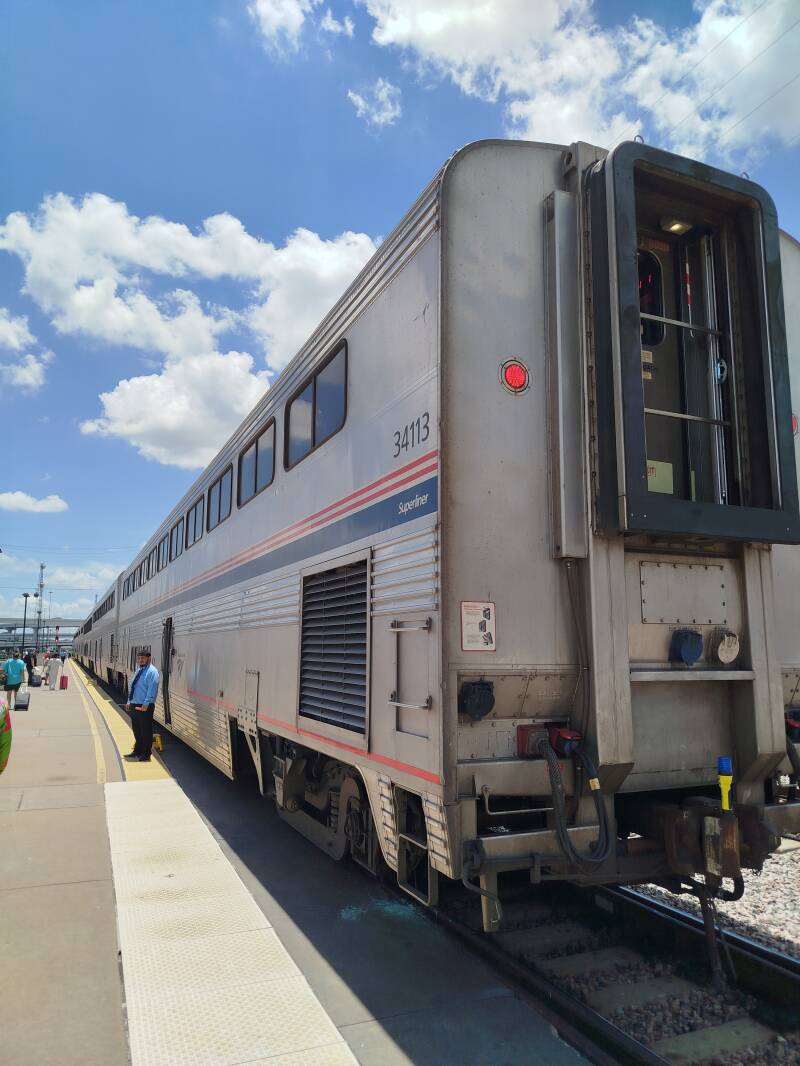
The ride took about 4 hours — not fast, but not slow either. At the platform, passengers line up in a loose formation while the conductor checks each ticket. Then you step aboard using a small metal stair, since the wagons sit high above the tracks.
What surprised me most was the space. Wide seats, reclining backs, and a leg rest that flips up like a mini lounge chair — perfect for stretching out. The train rolled gently forward, picking up speed not with a rush, but with a steady rhythm.
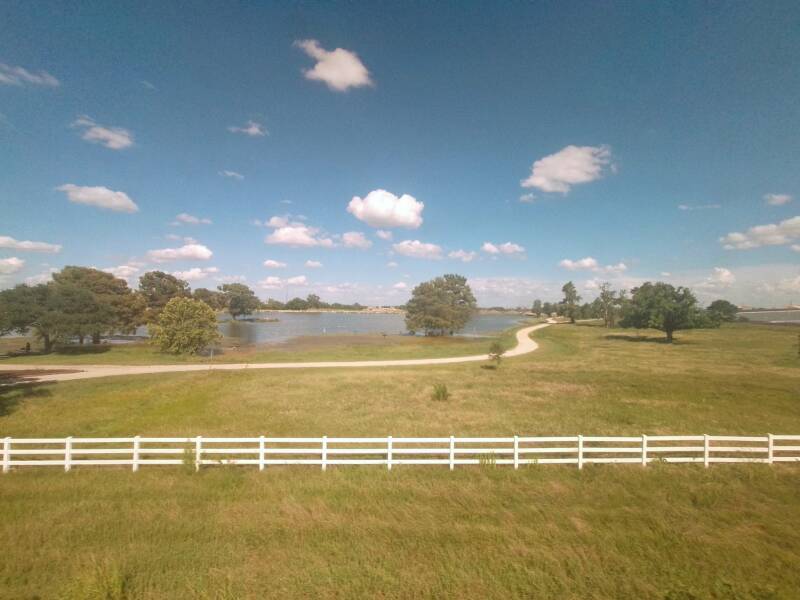
Later I walked to the panoramic car — a glass-domed wagon with wide windows and a small café counter. The view slid past: open fields, distant barns, trees leaning with the wind. There's something calming about being on a train. You’re moving, but never rushed.
Arriving in Austin felt like entering a contradiction: a city known for its tech and music, but with a station so small it felt like a side note. In the U.S., trains don’t get much love. It’s a car country, and maybe always will be.
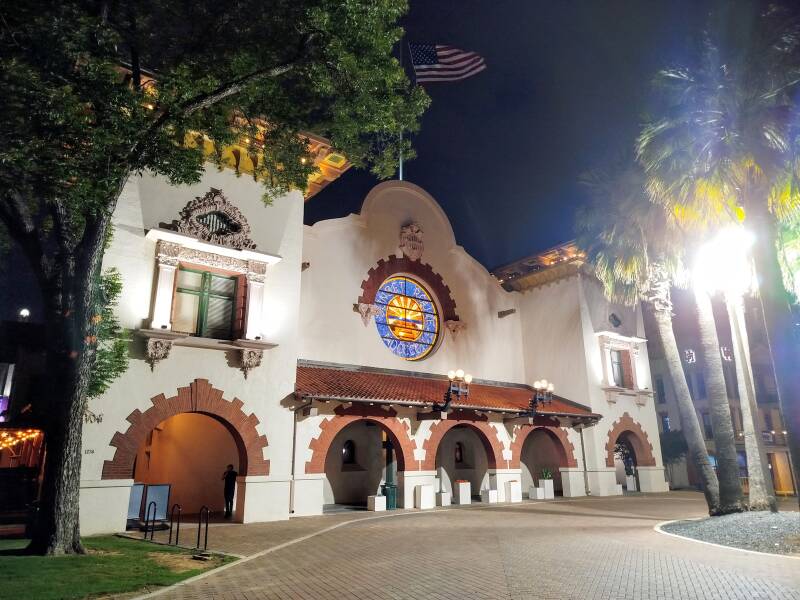
Two weeks later, I boarded again — this time bound for San Antonio. That station had more charm: arched windows, thick stone walls, even an old steam engine displayed outside like a monument to slower times.
Riding Amtrak felt like stepping into a quieter rhythm of travel. When I told people about it, most looked puzzled. “You took the train?” they asked, as if I’d confessed to crossing Texas on horseback.
But maybe that’s the charm. Not everything has to be the fastest way from A to B. Sometimes, it’s just about seeing the land roll by and remembering that travel — real travel — still exists between the dots on the map.